Somewhere around our fiftieth birthday, sleep starts behaving differently. We fall asleep more easily but wake up at 3 a.m. for no reason. We feel rested at 6 a.m. but tired at 2 p.m. We sleep eight hours and still feel a little foggy. None of that is broken — it's normal age-related change. The good news is that a handful of small, consistent habits can quietly make a big difference. Here are ten that actually work, drawn from sleep medicine guidance and from what real people tell us moves the needle.
1. Anchor your morning, not your bedtime
Most sleep advice obsesses over what time you go to bed. After 50, what matters more is what time you get up — and that you do it at roughly the same time every day, weekends included. A consistent wake time is the single strongest signal your body uses to set its internal clock. If you can pair waking with a few minutes of natural light, even better.
2. Get ten minutes of outdoor light before 10 a.m.
Daylight in the morning is the closest thing we have to a free sleep aid. It tells your brain when "day" starts, which makes melatonin rise on schedule about 14 hours later. Stand on the porch with your coffee, walk to the mailbox, sit by an open window — whatever fits your life. Cloudy days still count.
3. Treat caffeine like medication, not a beverage
Caffeine has a half-life of roughly five to seven hours, and that half-life tends to lengthen with age. A 2 p.m. coffee can still be measurably active in your bloodstream at bedtime. A simple rule that works for most readers: caffeine before noon, decaf or herbal after. If you're a heavy coffee drinker, taper rather than quit cold-turkey.
4. Keep the bedroom genuinely cool
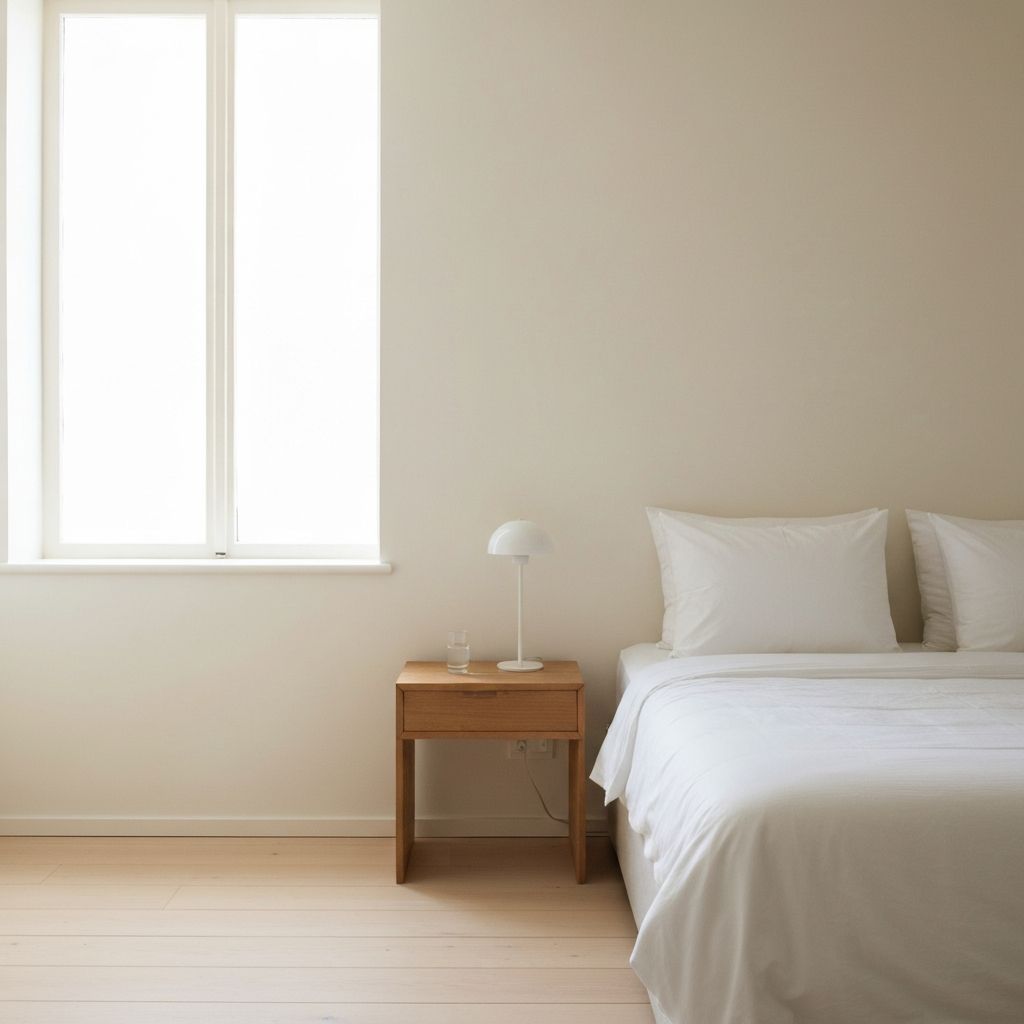
Your core body temperature needs to drop slightly for deep sleep to begin. A bedroom between roughly 65–68°F (18–20°C) makes that easier. If you're running warmer with age, layer breathable cotton or linen sheets and a single light blanket rather than one heavy duvet, so you can adjust without getting up.
5. Build a 30-minute "wind-down ramp"
Sleep isn't a switch; it's a ramp. Give your nervous system about half an hour of quieter input before bed. That might look like:
- Dimming overhead lights and switching to a warm lamp
- Putting the phone on a charger in another room
- Reading a paper book, listening to calm music, or stretching gently
- A warm shower 60–90 minutes before bed (the post-shower cooldown helps)
You don't need all of these. Pick two and do them most nights.
6. Move your body — but earlier is usually better
Regular movement is one of the best long-term sleep aids we have. Walking, swimming, yoga, light strength training — anything you'll actually keep doing. For most adults over 50, finishing vigorous exercise at least three hours before bed makes falling asleep easier. Gentle evening stretching, on the other hand, is fine and often helpful.
7. Be honest about alcohol
Alcohol is a sedative, so it can make you fall asleep faster. But it fragments the second half of the night and suppresses REM sleep, which is why a single nightcap so often produces a 3 a.m. wake-up and a groggy morning. If you drink, try keeping it to earlier in the evening with food, and notice how your sleep changes when you skip it for a week.
8. Get up if you've been awake more than 20 minutes
Lying in bed frustrated trains your brain to associate the bed with frustration. Sleep specialists recommend the opposite: if you're wide awake and watching the clock, get up, sit somewhere dimly lit, and read something undemanding until you feel sleepy again. Then return to bed. It feels counterintuitive, and it works.
9. Manage the "3 a.m. worry list"
Middle-of-the-night waking after 50 is often less about sleep and more about a busy mind finally having quiet time. A simple intervention: keep a notepad on the nightstand. When a worry shows up, write one sentence about it and a single next step you could take in the morning. The act of externalizing the thought is often enough to let it go.
10. Talk to your doctor about anything that doesn't feel right
Loud snoring with daytime sleepiness, gasping awake, restless legs, or frequent nighttime bathroom trips can all point to treatable conditions — sleep apnea, restless legs syndrome, an enlarged prostate, certain medications. None of these are things to push through. They're things a doctor can usually help with quickly.
A realistic takeaway
You don't need to do all ten of these. Pick two that feel doable this week — maybe a consistent wake time and morning daylight — and let them stick before adding another. Better sleep after 50 isn't about a perfect routine. It's about a few small, repeatable habits that respect how your body has changed.
This article is general information, not medical advice. If you have ongoing trouble sleeping, please talk with your physician — especially before stopping or starting any medication or supplement.