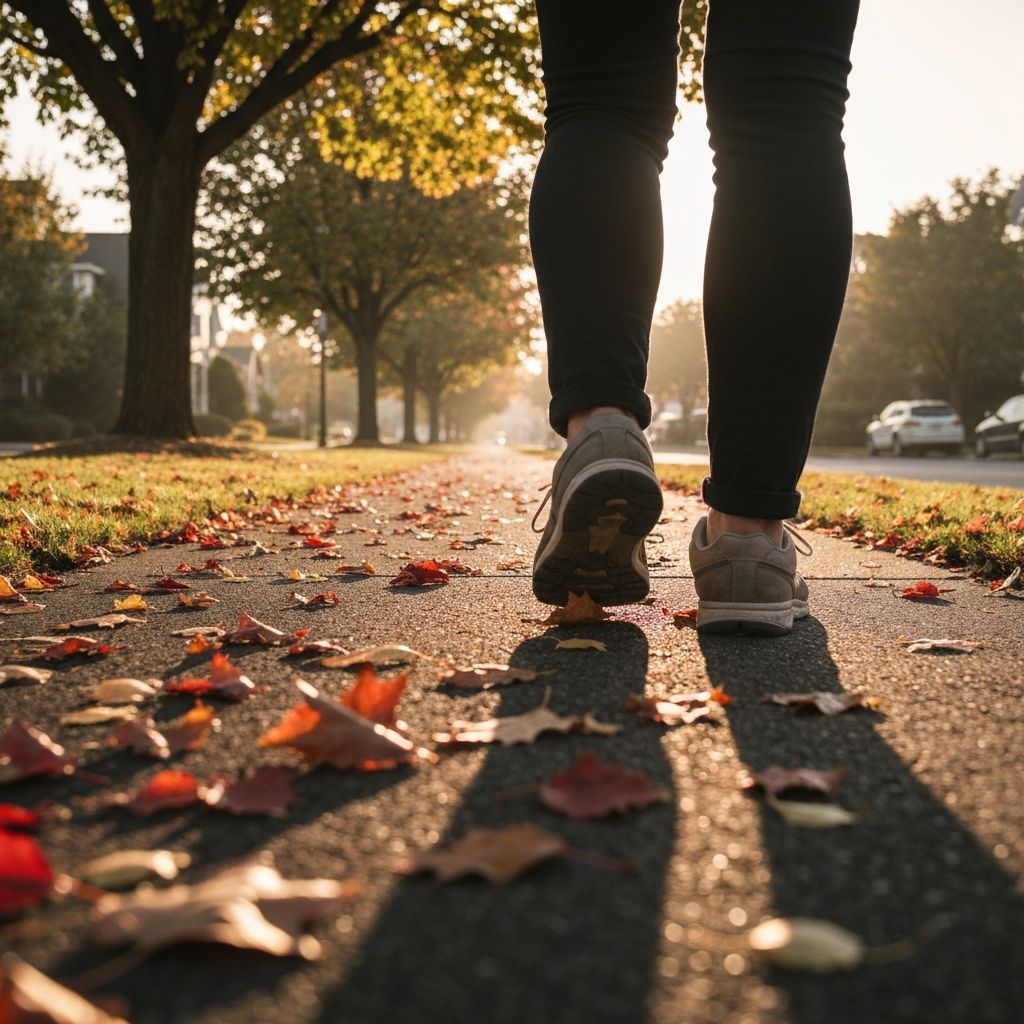
For something that costs nothing and requires no equipment, walking has an unfairly good track record in cardiology research. Thirty minutes a day, most days, sits right inside the activity guidelines published by the American Heart Association and the U.S. Department of Health and Human Services — and it's the level of exercise where the biggest jumps in long-term heart health show up. Here's what that 30 minutes actually does, and how to build the habit without overthinking it.
What 30 minutes of walking does to your heart
At a brisk pace — roughly the speed at which you can talk but not sing — 30 minutes of walking accomplishes several things at once:
- Lowers resting blood pressure. Regular walkers see meaningful drops in systolic pressure, often within 8–12 weeks of consistent activity.
- Improves cholesterol balance. HDL (the helpful kind) tends to rise; triglycerides tend to fall.
- Helps regulate blood sugar. Walking after meals — even just 10 minutes — measurably lowers post-meal glucose spikes.
- Strengthens the heart muscle itself. Like any muscle, the heart responds to gentle, repeated demand by becoming more efficient.
- Reduces inflammation markers. Several markers associated with cardiovascular risk drop with regular moderate activity.
Why walking, specifically
There are more intense ways to exercise, but walking has three quiet advantages most other forms don't:
- It's sustainable.The best exercise is the one you'll still be doing in five years.
- It's low-impact. Knees, hips, and ankles tolerate walking far better than running, especially after 40.
- It's honest.You can't really "cheat" a walk. The minutes are the minutes.
How to build the habit
Start with a time, not a distance
Distance feels like an obligation; time feels like a window. Set a 20-minute timer (or 30, if 20 feels too easy) and walk until it goes off. The route doesn't matter. You'll naturally walk farther over time as your fitness improves — without ever feeling like you're "adding miles."
Tie it to something you already do
Habit researchers call this habit stacking. Walk right after your morning coffee, right after lunch, or while a particular podcast plays. The new behavior borrows the reliability of the old one. "I'll walk later" almost never beats "I walk after my second cup of coffee."
Use the "two-shoes" rule on hard days
On low-energy days, the goal isn't a 30-minute walk — it's putting on your shoes and walking to the end of the block. Nine times out of ten, you'll keep going. The other one time, you still moved more than you would have otherwise. Either way, the habit stays alive.
Walk after meals when you can
A 10–15 minute walk after dinner is one of the highest-leverage habits in this whole article. It blunts blood sugar spikes, helps digestion, and counts toward your daily total. If you can't do a single 30-minute block, three 10-minute walks across the day deliver almost identical heart benefits.
What "brisk" really means
You don't need a heart-rate monitor. The talk test is enough:
- Easy: You can sing comfortably. Good for warm-up and cool-down.
- Brisk: You can talk in full sentences but not sing. This is the target zone for cardiovascular benefit.
- Vigorous: You can only get a few words out at a time. Optional, and only when comfortable.
Common questions, briefly answered
Do steps matter?
The famous 10,000-step number was a marketing figure, not a medical one. The actual research shows meaningful health benefits starting around 4,000–5,000 steps a day, with gains continuing up to about 7,500 — and diminishing returns above that. Don't chase 10,000 if it makes the habit feel like a chore.
Is treadmill walking as good as outdoors?
For cardiovascular benefits, essentially yes. Outdoors adds the bonus of natural light, fresh air, and the small balance challenges of uneven surfaces. Mix the two if you can.
What about walking with weights?
Hand weights and weighted vests can modestly increase calorie burn but also add joint stress, especially at the wrists, shoulders, and lower back. For most people, walking a bit longer or up gentle hills is a safer way to add intensity than carrying weights.
One last thing
If you have an existing heart condition, are returning from a long break, or experience chest pain, unusual shortness of breath, or dizziness while walking, please talk with your doctor before starting or expanding a routine. Walking is remarkably safe — but symptoms during exercise are worth taking seriously.
General educational information only. Not medical advice. Your physician can help you tailor an activity plan to your personal health history and any medications you take.